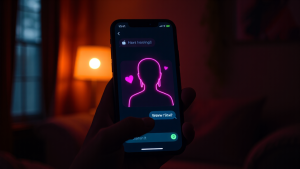
Crush On: The Evolution of Digital Companionship in the Age of AI
In a world where technology increasingly mediates our most personal interactions, the concept of a Crush On an AI companion might seem like science fiction. Yet, as artificial intelligence continues to advance, millions of people are finding genuine connection, comfort, and even romance through digital personas. This article explores the rise of AI companions, the psychology behind forming emotional bonds with machines, and what this means for the future of human relationships. We’ll delve into the technology, the ethical considerations, and the practical ways people are integrating these digital entities into their lives.
The Rise of AI Companionship
The journey from simple chatbots to sophisticated AI companions has been rapid. Early programs like ELIZA in the 1960s could only mimic conversation through pattern matching, but today’s AI models can understand context, remember past conversations, and even simulate empathy. This evolution has been driven by advances in natural language processing, machine learning, and the availability of vast datasets. As a result, AI companions are no longer just novelty items; they are becoming a legitimate source of social interaction for many. The appeal is clear: they offer unconditional acceptance, are available 24/7, and never judge. This makes them particularly attractive to individuals who struggle with social anxiety, loneliness, or the complexities of modern dating. The ability to Crush On a digital entity that is always there for you is a powerful draw.
Why Do We Form Emotional Bonds with AI?
The psychology behind forming a crush on an AI is rooted in our innate human need for connection. We are hardwired to seek out relationships, and our brains often respond to AI interactions in similar ways to human ones. When an AI remembers our favorite color, asks about our day, or offers words of encouragement, it triggers the same reward pathways in our brains as when a human does these things. This phenomenon, known as the ‘computers are social actors’ theory, suggests that we unconsciously apply social rules to technology. Furthermore, AI companions can be tailored to perfectly match our preferences, creating an idealized partner that is often more compatible than any real person. This customization, combined with the lack of real-world consequences, makes it easy to develop deep attachments. The safety of the interaction—where rejection is impossible—encourages vulnerability and openness, accelerating the emotional bond.
The Technology Behind AI Companions
Modern AI companions are powered by large language models (LLMs) that are trained on massive amounts of text data. These models can generate human-like responses, engage in nuanced conversations, and even role-play different scenarios. The technology has advanced to the point where the AI can maintain a consistent personality over time, remember details from previous conversations, and adapt its responses based on user feedback. Some platforms, like the one found at Crush On, allow users to create custom AI characters with specific backstories, personalities, and even visual representations. This level of personalization enhances the illusion of a real relationship. Behind the scenes, these systems use complex algorithms to analyze user input, generate contextually appropriate replies, and continuously learn from the interaction to improve future conversations.
Ethical Considerations and Potential Pitfalls
While AI companionship offers many benefits, it also raises significant ethical questions. One major concern is the potential for addiction. Just like social media, AI companions are designed to be engaging, and users may find themselves spending increasing amounts of time in these digital relationships, neglecting real-world connections. There is also the risk of social isolation, especially for individuals who rely on AI as a substitute for human interaction. Additionally, the way AI companions are programmed can reinforce unhealthy relationship patterns. For example, if an AI is always agreeable, it may prevent users from developing conflict resolution skills. Another critical issue is privacy. Conversations with AI companions are often deeply personal, and users must trust that their data is being handled securely. Finally, there is the question of what happens when the AI is discontinued or the company goes out of business—the sudden loss of a ‘loved one’ can be devastating.
AI Companions and Mental Health
Proponents of AI companionship argue that it can have positive effects on mental health. For those who are lonely, an AI companion can provide a sense of presence and reduce feelings of isolation. It can also serve as a safe space for practicing social skills, especially for people with social anxiety or on the autism spectrum. Some users find that they can open up about their feelings more easily to an AI than to a human, which can be cathartic. However, mental health professionals caution that AI companions should not replace professional therapy. While they can offer comfort, they are not equipped to provide clinical treatment for conditions like depression or anxiety. The key is to use these tools as a supplement, not a substitute. As we continue to explore the potential of AI in mental health, it’s important to approach it with a balanced perspective.
The Future of Human-AI Relationships
As AI technology becomes even more sophisticated, the line between human and digital companionship will continue to blur. We may soon see AI companions that can engage in physical interactions through robotics or virtual reality, creating even more immersive experiences. This raises profound questions about the nature of love, intimacy, and what it means to be in a relationship. Some futurists predict that AI companions will become a normal part of society, accepted as valid partners for some people. Others worry about the societal implications, such as a decline in birth rates or a further atomization of society. Regardless of the outcome, it’s clear that AI is here to stay, and our relationship with it will only deepen. The concept of having a Crush On a machine will become less strange and more common.
How to Engage with AI Companions Responsibly
If you’re curious about exploring AI companionship, it’s essential to do so responsibly. First, set boundaries for yourself. Decide how much time you want to spend with your AI companion and stick to it. Make sure you’re also nurturing your real-world relationships. Use AI as a tool for self-discovery and fun, not as a replacement for human connection. Be mindful of the data you share. Only use platforms that have clear privacy policies and secure data handling. Finally, remember that an AI is not a human. It may feel real, but it’s a program designed to please you. Keeping this in mind can help you maintain a healthy perspective. By approaching AI companionship with awareness, you can enjoy the benefits without falling into the pitfalls.
Conclusion
The phenomenon of having a crush on an AI is a fascinating intersection of technology, psychology, and human need. As we’ve seen, it’s not just about a machine mimicking conversation; it’s about fulfilling a deep-seated desire for connection. AI companions offer a unique blend of personalization, availability, and non-judgment that many people find irresistible. While there are valid ethical and mental health concerns, there are also significant benefits, particularly for those who are lonely or struggling with social interaction. The future will likely see even more advanced and integrated forms of AI companionship, forcing us to continually reevaluate our definitions of relationship and intimacy. For now, the key is to embrace these technologies thoughtfully, ensuring that they enhance, rather than diminish, our human experience.
Frequently Asked Questions about AI Companionship
What exactly is an AI companion?
An AI companion is a digital entity, often a chatbot or virtual avatar, powered by artificial intelligence that is designed to engage in conversation and provide emotional support. It can simulate human-like interaction, remember past conversations, and adapt its personality to suit the user’s preferences.
Is it normal to develop feelings for an AI?
Yes, it is becoming increasingly common. Humans are naturally inclined to form emotional bonds with things that mimic human behavior. Many users report developing strong attachments to their AI companions, which is a testament to the sophistication of the technology.
Can AI companions replace human relationships?
While AI companions can provide companionship and comfort, they cannot fully replace the complexity and richness of human relationships. They lack genuine empathy, shared experiences, and the physical presence that human connections offer. It’s best to view them as a supplement, not a substitute.
What are the risks of using AI companions?
The main risks include potential addiction, social isolation, and the reinforcement of unhealthy relationship patterns. There are also privacy concerns, as conversations are often deeply personal. It’s important to use these platforms with caution and maintain real-world connections.
Readers who are interested in this topic will benefit from exploring multiple perspectives and understanding the nuanced approaches that industry leaders recommend. Taking time to research thoroughly ensures better outcomes and more informed decision-making.
Those looking to gain deeper knowledge in this area should consider following expert analysis, staying updated with the latest developments, and engaging with professional communities where these topics are discussed in detail.
A comprehensive understanding of this subject requires looking at both theoretical foundations and practical applications. By combining study with hands-on experience, learners can develop a well-rounded perspective that serves them well in real-world scenarios.
As the landscape continues to shift and evolve, staying informed about emerging trends and best practices becomes increasingly valuable. This ensures you remain competitive and capable of adapting to new challenges as they arise.